Baggage
Cabin Bag or Checked Bag? How to Compare the Cost
A practical method for comparing cabin and checked-bag costs for the same trip without treating missing airline fees as zero.

- Published
- Last updated
- Last reviewed
- 2 sources reviewed
- 5 min reading time
Cabin bags feel like the cheaper option. You keep your luggage with you, leave the airport faster, and avoid the baggage carousel. But in flight pricing, “feels cheaper” is not the same as “is cheaper”.
Depending on the airline, route, and fare type, a checked bag can sometimes be better value than paying for overhead cabin baggage. Google’s bag fee guidance even notes that there are cases where checking a bag may be cheaper than paying to carry it on.
The right answer depends on the trip.
First, define the bag
Airlines use different words, but most baggage decisions fall into three groups.
A personal item is the smallest allowance. It usually fits under the seat and works for a small backpack, handbag, or laptop bag.
A cabin bag, hand luggage, or carry-on bag usually means a larger bag stored in the overhead bin. Some airlines include it; many budget fares charge for it.
A checked bag goes in the aircraft hold. It is more useful for longer trips, liquids, larger items, and anyone who does not want to fight for overhead space.
The problem is that these bag types are not priced consistently across airlines.
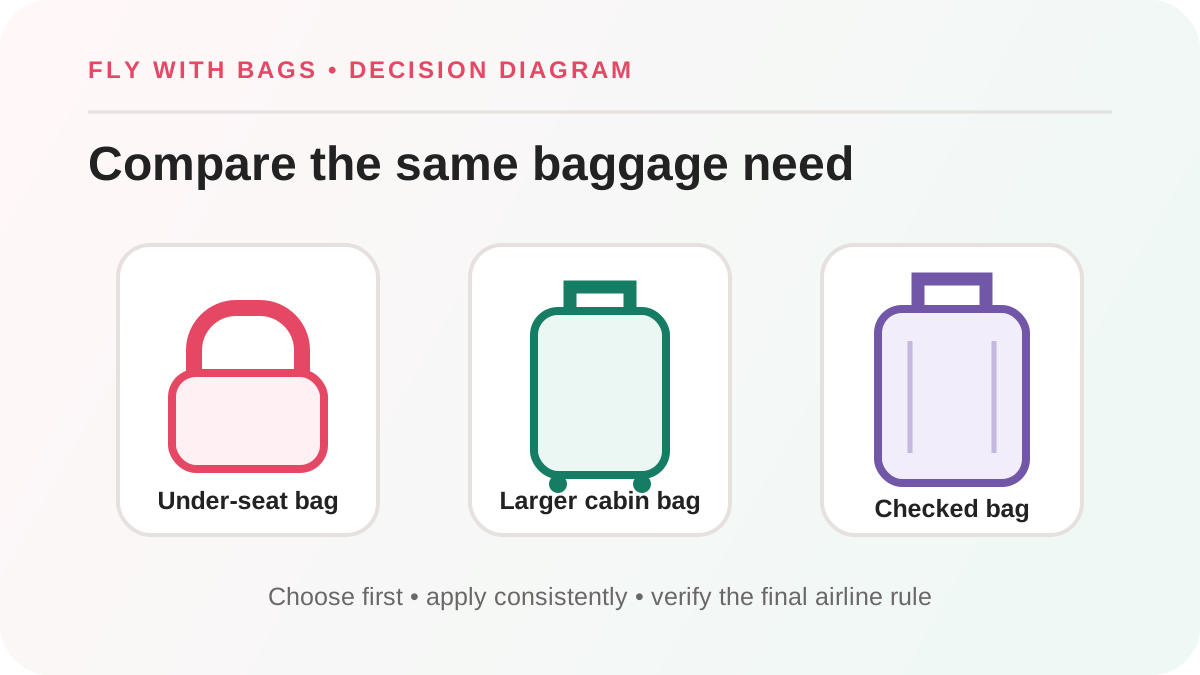
That distinction matters before the results appear. Choose the baggage you expect to need first, then compare every airline against the same setup. A personal-item-only fare, a larger-cabin-bag fare and a checked-bag fare are different products; mixing them in one ranking produces a misleading winner.
When a cabin bag can be cheaper
A cabin bag is often a good choice for short trips. If the airline offers a reasonably priced overhead bag, you can keep everything with you and skip baggage reclaim.
Cabin baggage also makes sense when:
- You are travelling for two or three nights.
- You do not need liquids over hand-luggage limits.
- You want to leave the airport quickly.
- You are connecting and do not want a checked bag transfer.
- You can pack inside the airline’s size and weight rules.
For some fares, the cabin bag may come through a seat choice, priority boarding, or a higher fare bundle. That can be good value if you wanted those extras anyway.
When checked luggage can be cheaper
Checked luggage can become the better option when one bag covers more of the trip.
For example, two travellers might share one checked suitcase instead of each paying for a separate overhead cabin bag. A family might pack children’s items into one larger hold bag rather than adding cabin bags for every passenger.
Checked luggage can also be better for:
- Longer holidays.
- Toiletries and liquids.
- Sports equipment.
- Baby items.
- Winter clothing.
- Gifts or shopping.
- Travellers who do not want to carry bags through the airport.
The UK Civil Aviation Authority advises travellers to check baggage allowance carefully because allowance can vary by airline, destination, and class. It also warns that airport charges can apply if hand luggage is too big or too heavy.
The hidden cost of getting it wrong
The most expensive baggage decision is often the one made too late.
If your bag is too large at the gate, the airline may need to put it in the hold and charge a fee. If your checked bag is overweight, excess baggage fees can apply. If you assumed every passenger had the same allowance, children or infants may have different rules.
The fix is simple: compare with the real bags before booking.
Four trip examples
For a one-night work trip, a personal item may be enough. The cheapest fare can stay cheap.
For a city break, one cabin bag may be worth paying for if it avoids checked luggage time and keeps the trip simple.
For a family beach holiday, one or two checked bags may beat several cabin bag add-ons, especially if the group needs liquids, shoes, toys, and extra clothes.
For a long-haul trip, a fare that includes checked baggage can be better value than a cheaper basic fare with no hold luggage.
How to compare cabin and checked baggage
Use the same route and date, then test each baggage setup:
| Setup | Best for | Watch out for |
|---|---|---|
| Personal item only | Overnight trips and light packers | Very limited space |
| Cabin bag | Short breaks and faster airport exits | Overhead fees and size limits |
| Checked bag | Longer trips and shared packing | Weight limits and baggage reclaim |
| Mixed setup | Families and groups | Fees multiplying across passengers |
The cheapest setup is the one that fits the trip without causing extra fees later.
Use the baggage cost calculator to record the whole-party return fare and each checkout amount. It withholds the total until every cost is priced, confirmed included, or marked as not needed.
Where Fly with Bags fits
Fly with Bags applies the same supported baggage request to returned flights. That means you can test a personal-item trip, a cabin-bag trip, a checked-bag trip, or a mixed setup before choosing the airline.
The current app supports three bag choices: a small under-seat bag, a larger cabin bag and checked bags. It does not yet price sports equipment, seats or refund rules. The result is a cleaner comparison within that scope: you can see which available flight is better for the way you actually pack, then verify the final allowance and price with the airline before paying.